
Speak to an Expert
admin@eumediation.net
Posted on: October 26th, 2026
By Dr Mike Talbot
As a mediator of some 30 years’ experience, I am happy to tell you that I don’t think I’m quite ‘there’ yet. There is one thing that I (and most experienced mediators that I know) can still get wrong. In particular, there are still situations in mediating people’s disputes where I catch myself either feeling sorry for one participant, feeling that another person is being unreasonable (or something similar!), or even believing that I know the answer to their dispute, so 'why on earth can’t they see it'?
In all of these situations, I have lost my impartiality and need to have a word with myself (or my co-mediator if I’m working with one) to get back on track. These slips are all because impartiality is one of the hardest things to master as a mediator: to be genuinely, thoroughly, and equally invested in the needs and interests of both parties simultaneously; trusting that they will find a solution to their dispute and staying with the discomfort that that can often bring.
Impartiality is a key ingredient to being successful in mediation. It is also one of the hardest things to teach. In most foundation training programmes, it’s only possible to scratch the surface and explain what impartiality is. The real learning comes when people go out and complete their first few cases, hopefully taking a chance to reflect on their practice and to value lifelong learning, as I do.
So it does raise a smile when mediation newbies march out of the training room believing they’re ‘done’ and now know all there is to know! There’s a bit more to it than that.
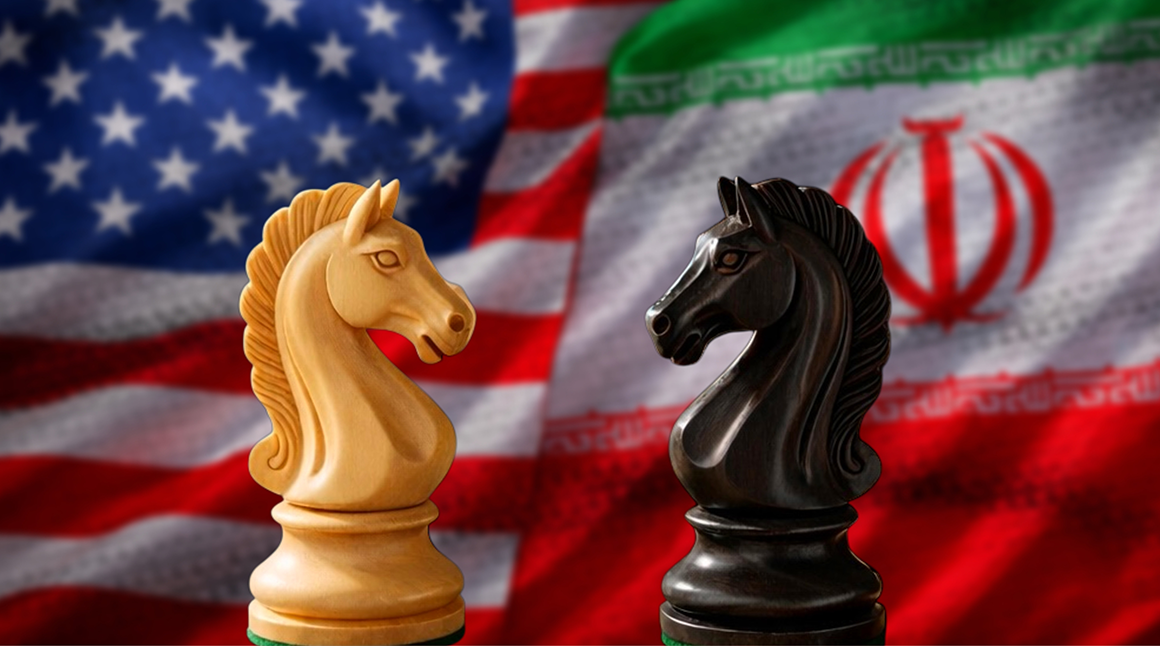
And zooming out for a moment, it raises my hackles more than it raises a smile when we hear this week that ‘mediators’ are on the ground to try to unlock the current stand-off in the Israeli/US war with Iran. Iran still insists that the US blockade on its ports must firstly be lifted, but the US still demands that Iran must firstly make nuclear concessions. So, various countries wanted to go and help and they got their ‘mediator’ hats on.
The Saudi defence minister joined the Pakistani army chief and the Turkish intelligence chief in a trip to Tehran to assist the ‘mediation effort’ and, prior to that, settlement negotiations were held in Istanbul between the foreign ministers of Saudi Arabia, Pakistan, Turkiye and Egypt.
But let’s look at whether all these ‘mediators’ might manage to be impartial?
Well, Saudi Arabia desperately needs to stop the Houthi attacks on its soil.
Turkiye needs hostilities to be contained AND to maintain its links with western governments.
Iran continues to bomb and drone-attack Oman. And Oman is politically and geographically best placed to manage the re-opening of the Strait of Hormuz.
In short, any mediation outcome that these ‘mediators’ can reach will have a big impact on all of their countries’ fortunes. Each ‘mediator’ therefore needs to influence the outcome. So, they cannot possibly be impartial. I don’t want to get too political here, but other than its refusal to recognise Israel, Pakistan does appear to have managed to stay fairly detached and neutral so far, so maybe the others should leave the mediation up to them.
And to the other ‘mediators’ who have waded in, I would just say, ‘Guys, there’s a bit more to it than that’!

We’re a friendly bunch here at EU Mediation and we’re always happy to discuss your requirements.
admin@eumediation.netWe’re a friendly bunch here at EU Mediation and we’re always happy to discuss your situation and offer impartial advice.
admin@eumediation.net